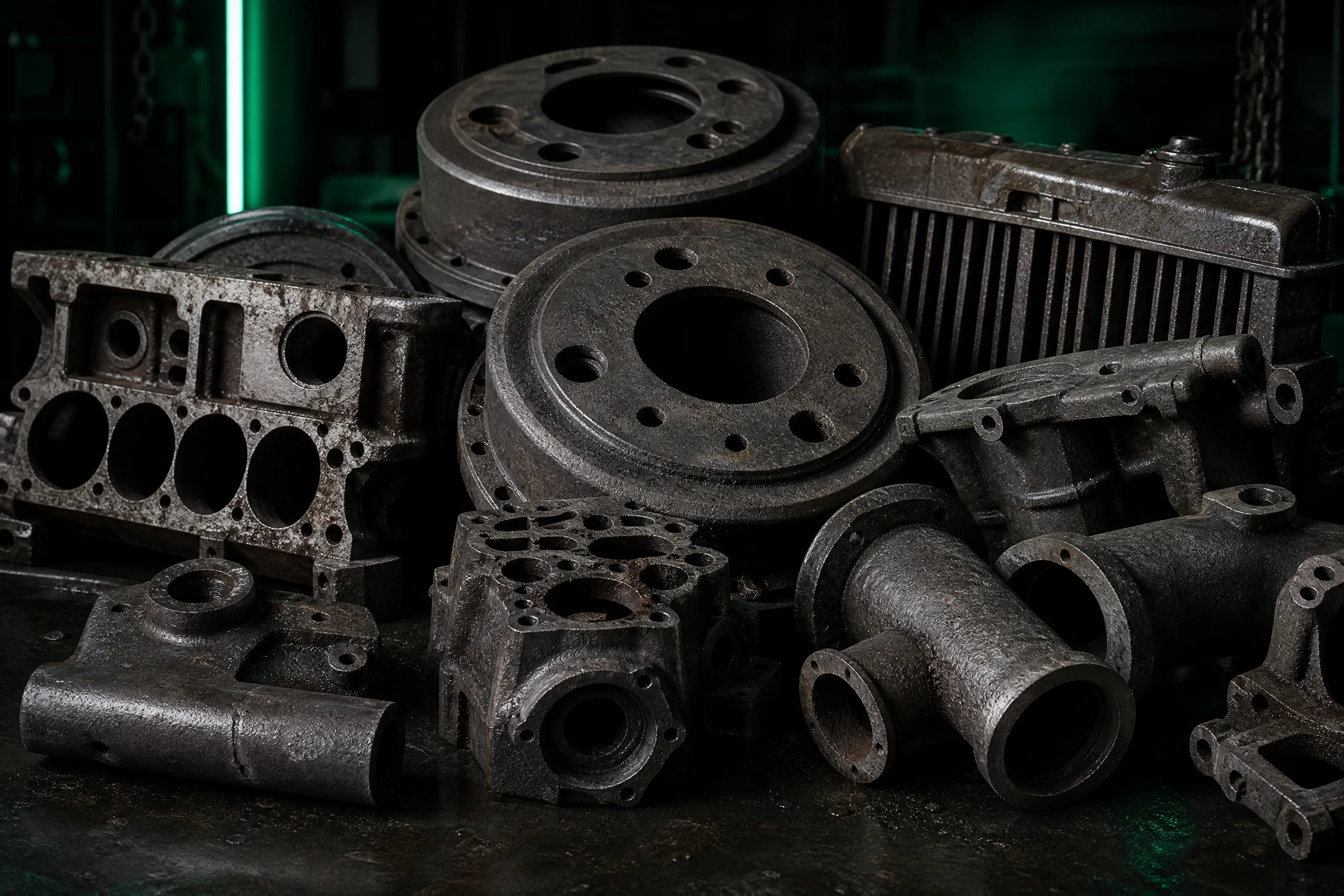
We buy all forms of scrap iron — cast iron, wrought iron, pig iron, ductile iron, and malleable iron. From brake drums and engine blocks to cast iron pipe and decorative ironwork, we pay competitive prices for all ferrous scrap. Call Sean at 754-310-2984 for today's scrap iron prices.
⚡ Instant estimate · No sign-up · Prices updated daily
Prices updated regularly. Call 754-310-2984 for a confirmed quote on your specific material.
| Grade / Type | Description | Price |
|---|---|---|
| Cast Iron (Clean) | Brake drums, rotors, engine blocks | $0.08–$0.10/lb |
| Cast Iron Pipe | Sewer, water, drainage pipe | $0.07–$0.09/lb |
| Wrought Iron | Fencing, gates, railings | $0.06–$0.08/lb |
| Ductile Iron | Pipe, fittings, valve bodies | $0.08–$0.10/lb |
| Pig Iron | Raw iron ingots | $0.10–$0.12/lb |
| Cast Iron Bathtubs | Porcelain-coated cast iron | $0.05–$0.07/lb |
| Iron Radiators | Old steam/hot water radiators | $0.06–$0.08/lb |
| Mixed Iron & Steel | Unsorted ferrous scrap | $0.05–$0.07/lb |
Iron is one of the most abundant metals on Earth and forms the basis of all steel production. Scrap iron is classified as a ferrous metal, meaning it contains iron and is magnetic. While iron scrap prices are lower per pound than non-ferrous metals like copper or aluminum, the sheer volume of iron available in demolition, manufacturing, and end-of-life products makes it a significant revenue source for industrial sellers and scrappers alike.
Cast iron is the most common form of scrap iron we purchase. It is characterized by its high carbon content (2–4%), which makes it brittle but excellent for casting complex shapes. Common sources include brake drums and rotors, engine blocks, cast iron cookware, manhole covers, sewer pipe, and decorative items like wood stoves and fireplace inserts. Wrought iron contains very little carbon and is known for its malleability — it is commonly found in fencing, gates, railings, and ornamental ironwork. Ductile iron (also called nodular or spheroidal graphite iron) is used in pipe, valve bodies, and automotive components.
Both iron and steel are magnetic, but they can be distinguished by several characteristics. Cast iron is typically thicker, heavier, and more brittle than steel. It often has a rough, grainy texture when broken. Steel is more uniform, can be bent without breaking, and is generally smoother. For pricing purposes, most scrap yards group iron and steel together as "ferrous scrap," though cast iron sometimes commands a slight premium due to its density and consistent composition.
The price of scrap iron is influenced by the same factors that drive steel prices: global demand from foundries and steel mills, transportation costs, energy prices, and seasonal construction activity. Iron foundries use scrap iron to produce new castings, while electric arc furnace (EAF) steel mills use it as feedstock. The domestic market is also affected by import/export dynamics, particularly competition from Turkish and Asian buyers for bulk ferrous scrap.
To maximize the value of your scrap iron, remove any non-metallic attachments such as concrete, wood, rubber, or plastic. Separate cast iron from regular steel when possible, as some buyers pay a premium for clean cast iron. For large demolition or plant shutdown projects, contact us before beginning work — we can provide containers, on-site sorting guidance, and guaranteed pricing for your entire project.
Call Sean directly for an immediate cash offer. We respond within 2 hours.
Fill out the form below for a free quote within 1 hour. Or call us at (754) 310-2984
Get an instant estimate — select your metal, enter weight, see your result.
Estimates only. Call 754-310-2984 for a confirmed quote.
Related sites in our network for factory-built structures, jobsite offices and container conversions.
Portable Guard ShacksGuard shacks and booths, including ballistic-rated packages.Guard Shacks For SaleGuard shacks and guard booths for sale, delivered.Shipping Container ShedsContainer sheds and storage conversions, priced by shell and package.Comparing materials? See every grade side by side on our current scrap metal prices page, updated daily.
Today's Scrap Metal Prices Price Calculator